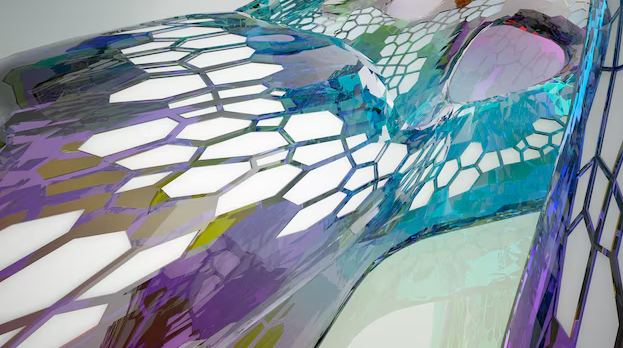
Stained glass couture is the refined fusion of traditional stained glass artistry with modern luxury design and fashion-inspired aesthetics. It goes beyond classic window panels and religious imagery, transforming stained glass into a couture-level art form that emphasizes craftsmanship, exclusivity, and sophisticated visual storytelling.
At its core, stained glass couture treats glass the way haute couture treats fabric — as a medium shaped by vision, skill, and artistic precision.
The Meaning Behind “Stained Glass Couture”
The term combines two powerful worlds:
- Stained Glass – an ancient art form that uses colored glass pieces joined together to create decorative or narrative designs.
- Couture – a French word meaning “custom-made,” often associated with high fashion, luxury, and meticulous handwork.
Together, stained glass couture represents bespoke glass art, crafted with intention, detail, and a deep respect for both tradition and innovation.
A Brief History of Stained Glass Art
Stained glass dates back over a thousand years and was originally used in churches, cathedrals, and sacred architecture. These early works were designed to:
- Tell stories through imagery
- Filter light in symbolic ways
- Inspire awe and reverence
Over time, stained glass moved beyond religious spaces into homes, public buildings, and eventually modern design studios. Stained glass couture is the evolution of this journey, bringing historical techniques into contemporary artistic expression.
What Makes Stained Glass “Couture”?
Unlike mass-produced glass décor, stained glass couture is defined by:
1. Custom Design
Each piece is uniquely created for a specific space, concept, or client vision. No two designs are identical.
2. Handcrafted Excellence
Artisans carefully cut, paint, lead, and assemble every glass piece by hand, ensuring precision and authenticity.
3. Artistic Storytelling
Designs often draw inspiration from:
- Fashion silhouettes
- Nature and symbolism
- Architecture and interior themes
- Cultural or personal narratives
4. Premium Materials
High-quality colored glass, lead came, copper foil, and hand-mixed pigments are essential to couture-level results.
How Stained Glass Couture Is Used Today
Stained glass couture has expanded far beyond traditional windows. Today, it appears in:
- Luxury home interiors
- Custom doors and entryways
- Wall panels and partitions
- Boutique hotels and galleries
- Fashion-inspired art installations
- Decorative mirrors and lighting
Each piece serves both a functional and artistic purpose, enhancing light, mood, and spatial identity.
The Role of Light in Stained Glass Couture
Light is the soul of stained glass couture. As natural or artificial light passes through the glass:
- Colors shift throughout the day
- Shadows create dynamic patterns
- Spaces feel alive and ever-changing
This interaction between glass and light is what makes stained glass couture a living art form rather than a static decoration.
Why Stained Glass Couture Is Gaining Popularity
Modern design trends are increasingly focused on:
- Personalization
- Handmade artistry
- Sustainable materials
- Timeless elegance
Stained glass couture meets all of these values. It offers an alternative to mass-produced décor while adding character, warmth, and luxury to any environment.
Stained Glass Couture as an Investment in Art
Because each piece is custom-made and handcrafted, stained glass couture is not just décor it is collectible art. With proper care, these pieces can last generations, increasing both sentimental and aesthetic value over time.
Final Thoughts
Stained glass couture represents the meeting point of heritage craftsmanship and modern luxury design. It celebrates creativity, individuality, and the timeless beauty of light and color.
Whether used in architecture, interior décor, or artistic expression, stained glass couture transforms ordinary spaces into extraordinary visual experiences.
 Site Title
Leave a comment